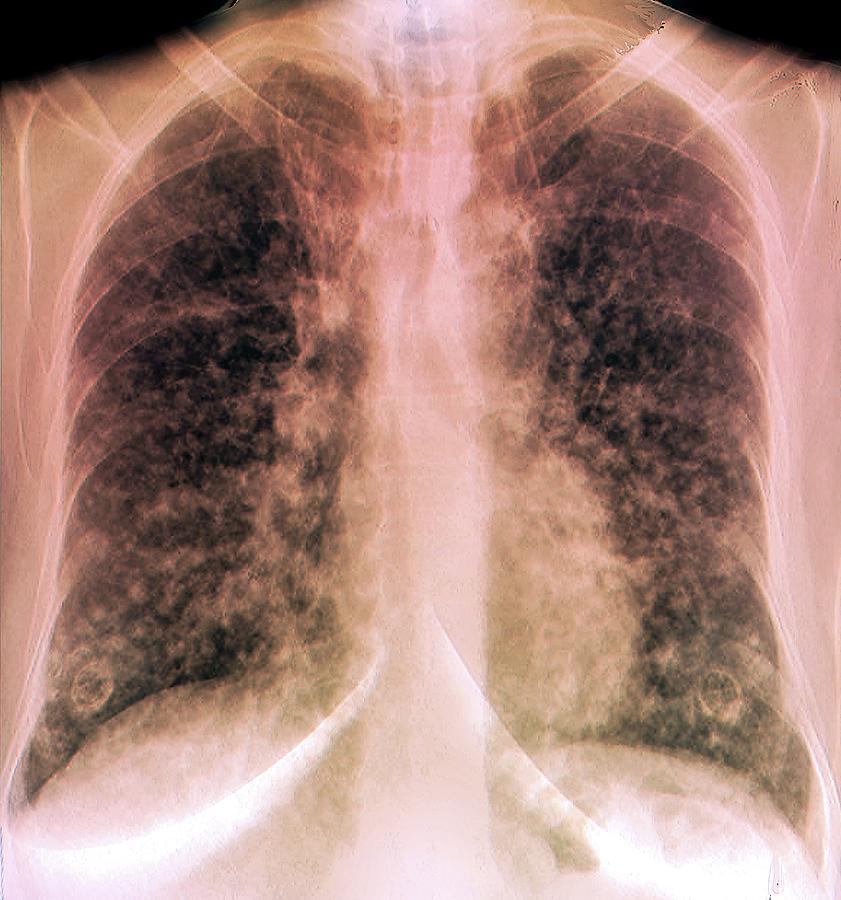
What Is The Diagnosis Of Lung Cancer / Surprising Lung Cancer Symptoms : In this section, we explain the process for diagnosing lung cancer and the different tests you can expect.. A series of tests are necessary to diagnose lung cancer. Your doctor must give you a diagnosis before assessing the prognosis. In fact, diagnoses are often only made when cancer is seen on imaging done for an unrelated condition. If you go to your doctor when you first notice symptoms, your cancer might be diagnosed at an earlier stage, when treatment is more likely to be effective. Like many other types of cancer, lung cancer may also cause.
In fact, diagnoses are often only made when cancer is seen on imaging done for an unrelated condition. A diagnosis is important in the official identification of lung cancer. If you go to your doctor when you first notice symptoms, your cancer might be diagnosed at an earlier stage, when treatment is more likely to be effective. Most lung cancers do not cause any symptoms until they have spread, but some people with early lung cancer do have symptoms. Once a diagnosis has been made, a doctor can then develop a treatment plan.
Terminal Lung Cancer Photograph by Zephyr/science Photo ... from images.fineartamerica.com Learn more about how doctors can find it and figure out how far it has spread. Signs and symptoms of lung cancer typically occur when the disease is advanced. How is lung cancer diagnosed? Lung cancer is the second most diagnosed type of cancer in american men and women. Rare lung cancers often don't originate in the lung. Your doctor must give you a diagnosis before assessing the prognosis. Most lung cancers do not cause any symptoms until they have spread, but some people with early lung cancer do have symptoms. Lung cancer is a complex disease, with a number of causes, several types of tumors and various symptoms, which means that an accurate diagnosis is critical for the best possible prognosis.
Some people just have general symptoms of not feeling well.
Your doctor can conduct tests such as a diagnostic scan if you experience one or more symptoms of lung cancer. As your health care team talks about your diagnosis and treatment, ask questions about anything you don't understand. A medical center with experience in diagnosing and treating lung cancer is more likely to accurately diagnose the cause of symptoms. Most lung cancers do not cause any symptoms until they have spread, but some people with early lung cancer do have symptoms. This process is called biopsy. Your doctor must give you a diagnosis before assessing the prognosis. Rare lung cancers often don't originate in the lung. Lung cancer is the second most diagnosed type of cancer in american men and women. Physical changes during the final stages of lung cancer can be related to the tumor in the lungs, the spread of cancer to other parts of the body, or due to the terminal stages of cancer in general. If your doctor thinks you might have lung cancer, you'll be referred to a special clinic at the hospital called the rapid access clinic or urgent cancer clinic.if you live in england, you should see a specialist within 2 weeks of referral. Stage iv (stage 4) is the most advanced form of lung cancer and is metastatic—meaning the cancer has spread from the lung, where it originated, into other parts of the body. If you have possible signs or symptoms of lung cancer, see your doctor. This process is called staging.
In fact, diagnoses are often only made when cancer is seen on imaging done for an unrelated condition. By stage iv, the cancer is considered advanced and has spread to other areas of the body. If lung cancer is diagnosed, other tests are done to find out how far it has spread through the lungs, lymph nodes, and the rest of the body. In some cases, a diagnosis of lung cancer is made through surgery. Learn more about types of lung cancer, survival rates, and other statistics.
Lung Cancer Causes | Visual.ly from thumbnails-visually.netdna-ssl.com To confirm lung cancer, a sample of tissue or fluid must be removed from the body and sent to a laboratory for examination. A diagnosis is important in the official identification of lung cancer. Signs and symptoms of lung cancer typically occur when the disease is advanced. Some lung cancers can be found by screening, but most lung cancers are found because they are causing problems. Good communication with your doctor will help improve the quality of the care you receive. Whether you smoke or not, discovering lung cancer earlier increases your odds of survival. As the cancer develops, these symptoms may become more severe or intense. Rare lung cancers often don't originate in the lung.
Learn more about how doctors can find it and figure out how far it has spread.
The most common symptoms are cough and dyspnea, but the most specific symptom is hemoptysis. Signs and symptoms of lung cancer may include: As your health care team talks about your diagnosis and treatment, ask questions about anything you don't understand. If you have possible signs or symptoms of lung cancer, see your doctor. A diagnosis is important in the official identification of lung cancer. By stage iv, the cancer is considered advanced and has spread to other areas of the body. In general, the higher the stage, the more severe the cancer. If lung cancer is diagnosed, other tests are done to find out how far it has spread through the lungs, lymph nodes, and the rest of the body. Signs and symptoms of lung cancer typically occur when the disease is advanced. You may have no symptoms in these early stages of lung cancer. Some lung cancers can be found by screening, but most lung cancers are found because they are causing problems. Lung cancer is the second most diagnosed type of cancer in american men and women. How is lung cancer diagnosed?
Your doctor must give you a diagnosis before assessing the prognosis. Some people just have general symptoms of not feeling well. Like many other types of cancer, lung cancer may also cause. To confirm lung cancer, a sample of tissue or fluid must be removed from the body and sent to a laboratory for examination. Stage iv (stage 4) is the most advanced form of lung cancer and is metastatic—meaning the cancer has spread from the lung, where it originated, into other parts of the body.
Possible Lung Cancer Symptoms You Shouldn't Ignore ... from baptisthealth.net The actual diagnosis of lung cancer is made by looking at a sample of lung cells in the lab. Some people have symptoms related to the lungs. The medical oncologist also typically leads the care for lung cancer patients after diagnosis, bringing in other types of doctors as needed for your individualized treatment plan. Many different procedures allow doctors to remove cells from the body and look at them under a microscope to determine if they are cancer. What is a lung cancer diagnosis? The type and stage of lung cancer tells doctors what kind of treatment you need. In some cases, a diagnosis of lung cancer is made through surgery. Some people whose lung cancer has spread to other parts of the body (metastasized) have symptoms specific to that part of the body.
If you go to your doctor when you first notice symptoms, your cancer might be diagnosed at an earlier stage, when treatment is more likely to be effective.
Signs and symptoms of lung cancer may include: Learn more about how doctors can find it and figure out how far it has spread. Some lung cancers can be found by screening, but most lung cancers are found because they are causing problems. In the absence of screening, most patients with lung cancer are not diagnosed until later stages, when the prognosis is poor. In this section, we explain the process for diagnosing lung cancer and the different tests you can expect. Named initially for how the cancer cells look under the microscope, these two account for 230,000 newly diagnosed cases of lung cancer in the u.s. Like other types of cancer, lung cancer i s categorized by stages based on how widespread it is in the body. In general, the higher the stage, the more severe the cancer. The type and stage of lung cancer tells doctors what kind of treatment you need. Good communication with your doctor will help improve the quality of the care you receive. What tests will doctors have to perform? Various factors can affect the risk of developing lung cancer and. A cure is not possible.